Kansas City Monarchs

- Client Kansas City Monarchs
- Location Kansas City, Kansas
- Industry Professional
- Surface MMTH Turf
- Base Construction
- Civil Engineering
- Concrete Curb
- Cost Estimating
- Design
- Drainage
- Earthwork and Grading
- Full Conversion - Baseball Field
- Sports Equipment Installation
- Turf Installation
The Limits of Natural Grass
Legends Field has been the Monarchs’ home for more than two decades, and the organization had invested steadily to keep the two-decade-old ballpark modern. The one piece that kept holding the venue back was the playing surface itself. The natural grass did not drain well, and every time bad weather moved through, the staff was left wondering whether there would be a game at all. For a franchise trying to sell tickets and build a nightly experience, rainouts and the threat of them were a recurring problem.
The grass also limited the stadium to a single use. The Monarchs are in the entertainment business as much as the baseball business –hosting concerts, youth baseball, and large community events, including a signature food and music festival that draws roughly 15,000 people. On a natural grass field, every one of those events was a gamble. No matter how carefully the surface was protected, it could not handle the level of high traffic it needed for alternate events and still recover to a pristine baseball surface a few days later. The field required constant watering just to survive the heat of the summer season, and maintenance crews spent much of their time keeping it alive rather than improving the rest of the stadium.
A great ballpark is also a player recruiting tool, and the Monarchs know it. Athletes sign in Kansas City in part because of what the facility offers them. When the playing surface slips below the standard of everything around it, so does one of the team’s strongest selling points.
One of the biggest investments we’ve had is the investment in this field. What that does for us is give us a year-round platform to host different events, between baseball, youth sports, concerts, and festivals. Before, when we just had a grass field, it was problematic because you were always having to protect the grass.
Mark Cranmer, former owner of the Kansas City Monarchs


A Full Conversion, Self-Performed, in Under 60 Days
The Monarchs partnered with MMTH to rebuild the field from the ground up, and MMTH self-performed one hundred percent of the work. The MMTH Civil Engineering team designed and permitted the job as engineer of record, MMTH served as general contractor, and the civil and turf divisions executed the build in-house, so a single team owned the outcome from the first drawing to the final blade of turf.
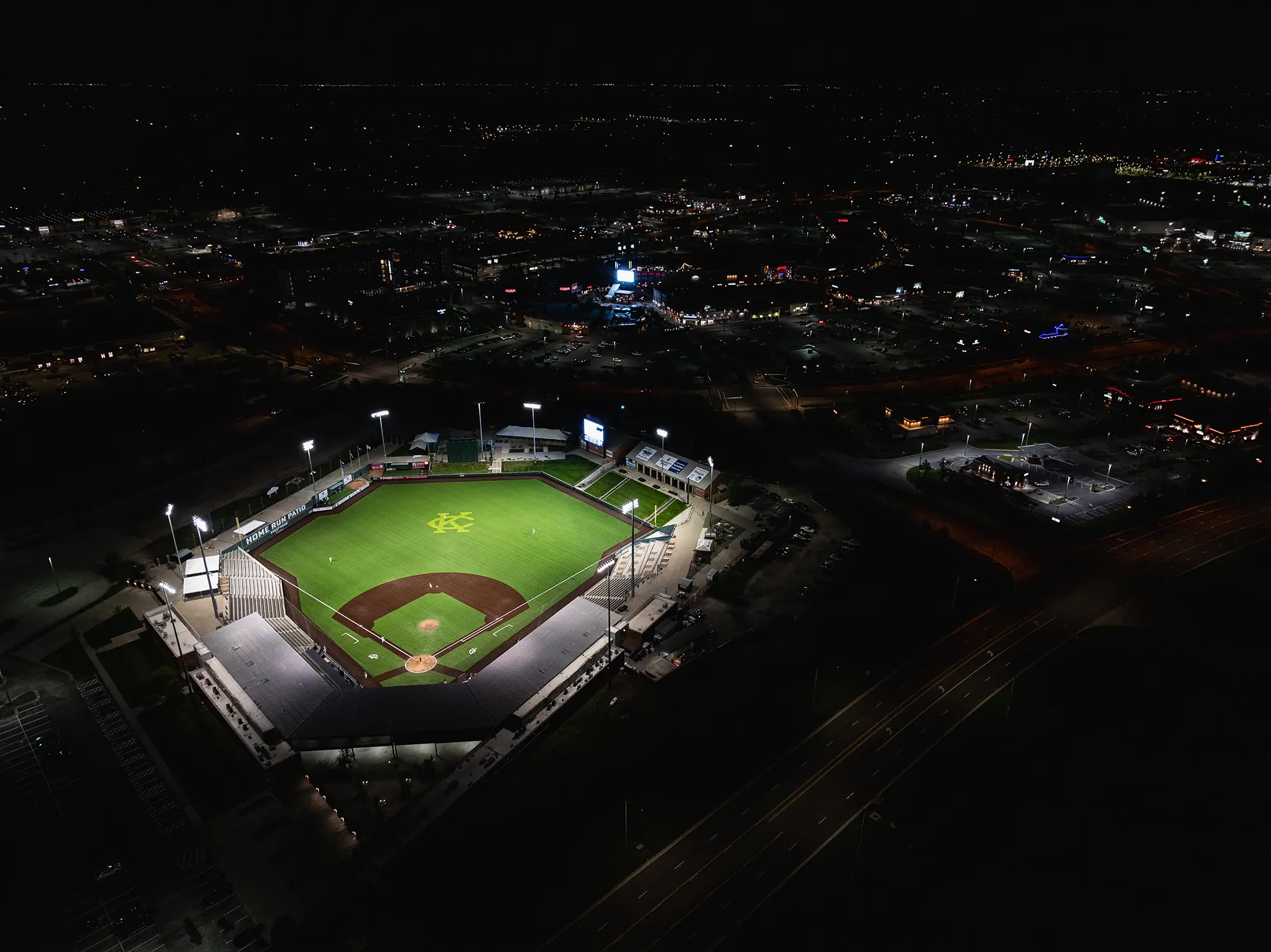
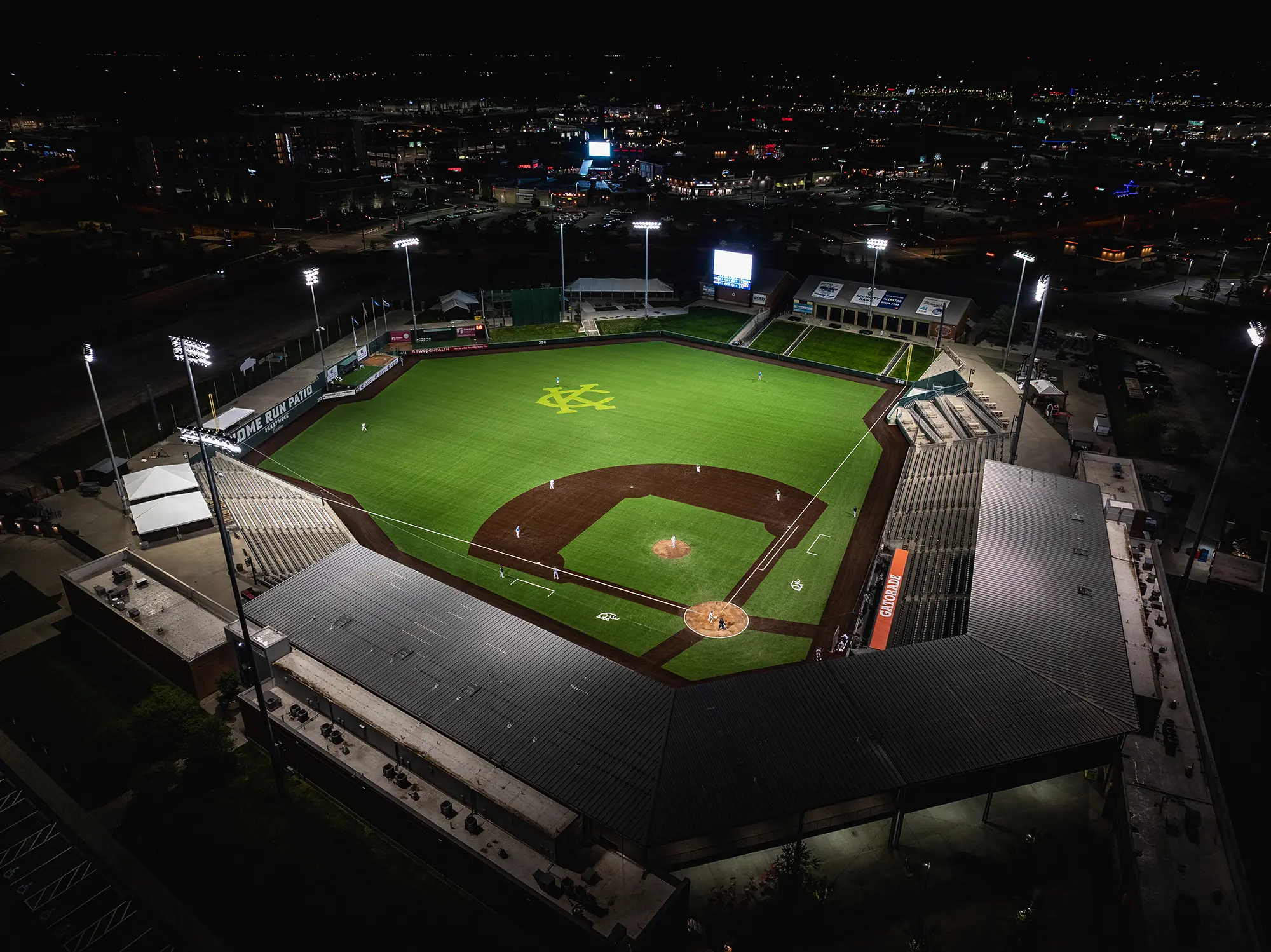
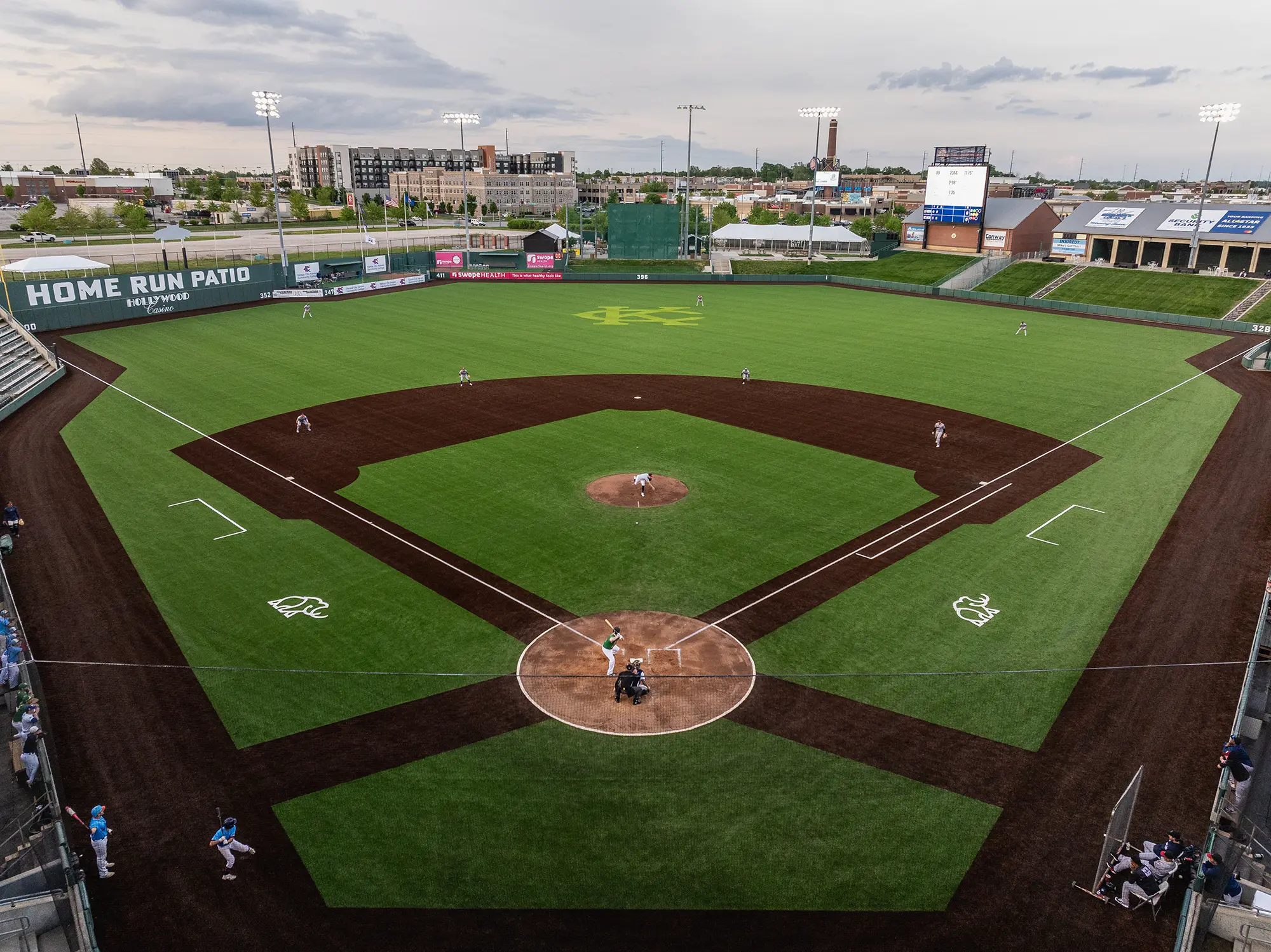
This was a true conversion, not a resurface. The old grass field came out entirely, and MMTH rebuilt the surface from the ground up, engineering a new base and a drainage system designed to move water off the field fast. On top of it, MMTH Turf installed a professional-grade synthetic turf system, covering more than 129,000 square feet with different turf types matched to each area of play. One choice set the field apart: rather than go fully synthetic, MMTH kept the natural pitching mound, home plate and catcher’s circle, and bullpen mounds, so the game still plays on real dirt where it matters most while the rest of the field gains the consistency of turf. At center, a KC mark built into the surface gives the city a logo its fans point to every night.
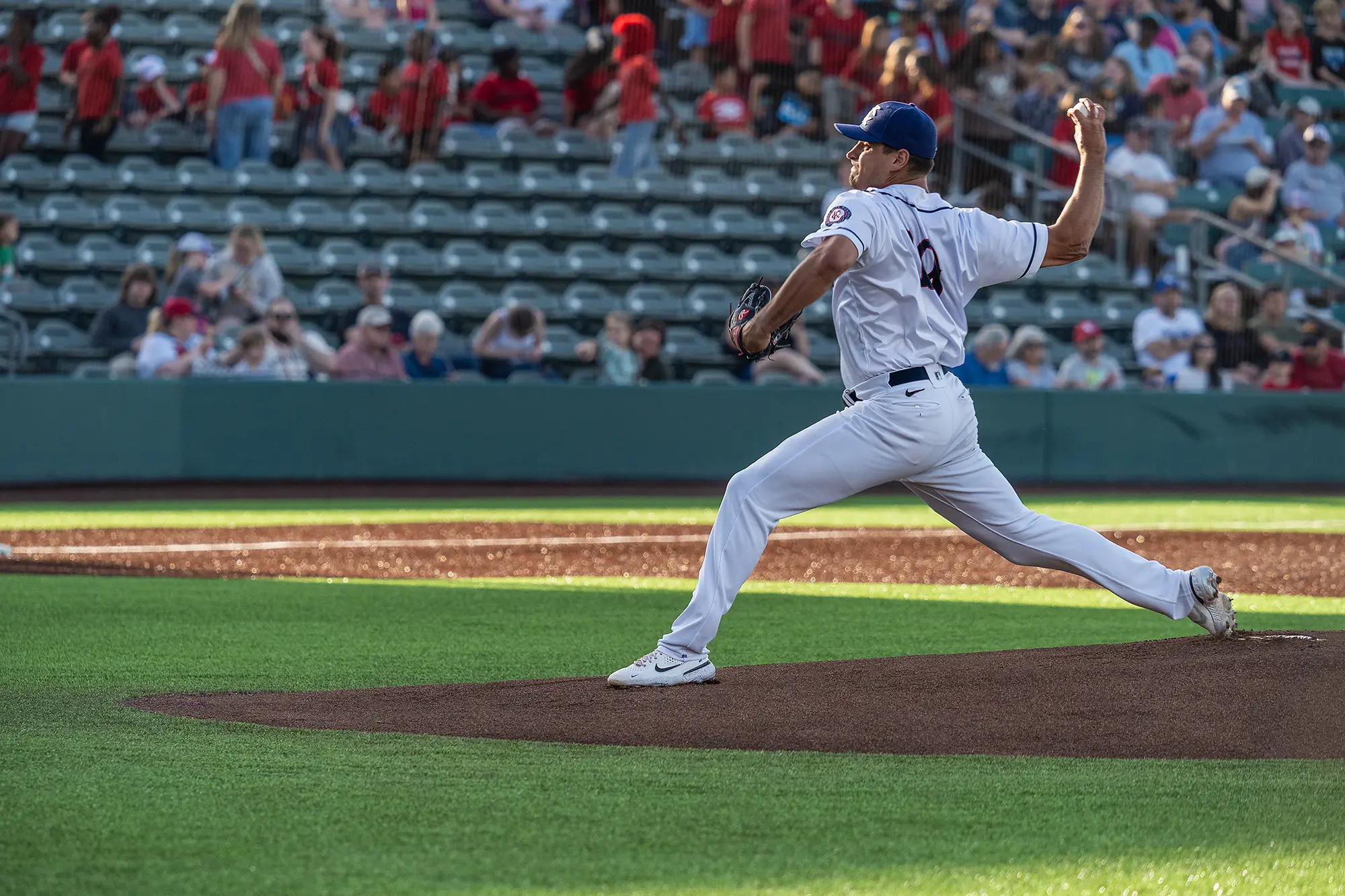
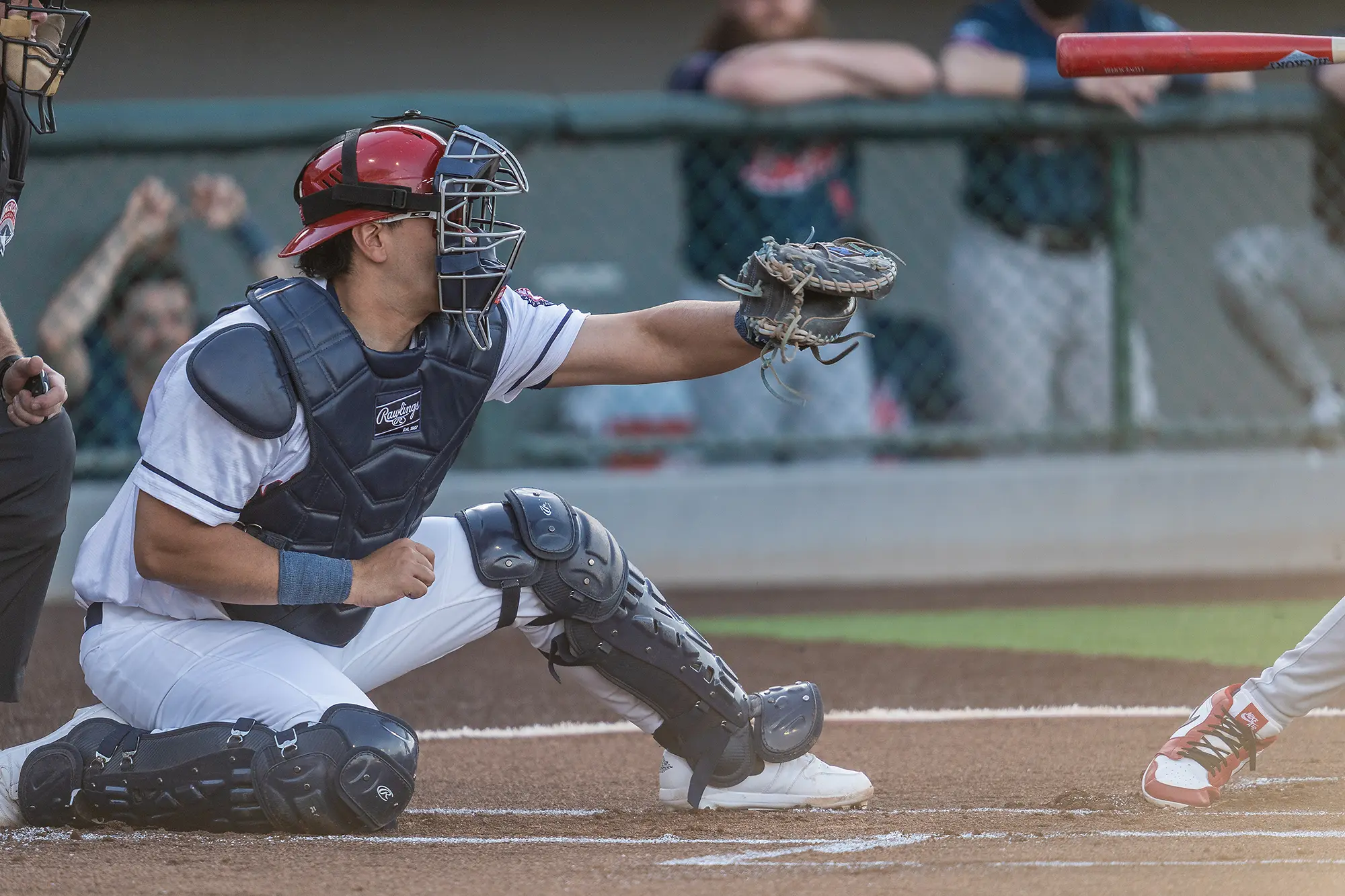


The hardest part was the clock. The window from contract to the start of the season was under 60 days, and MMTH was building it in the middle of a Kansas winter turning into spring, with rain and snow that repeatedly stalled excavation. Crews worked weekends and longer hours to take advantage of every good-weather day, and because MMTH self-performs both the civil and the turf work, the schedule never had to pass between separate companies. The field was finished in 56 days, delivered on April 21, 2025, roughly two to three weeks ahead of schedule.
We really had a quick turnaround. In talking with the MMTH team, they were super easy to work with, and on a very short timeframe, we were able to get this field installed. We really needed that, and Mammoth really executed.
Mark Cranmer, former owner of the Kansas City Monarchs

A Year-Round, Big-League Home
What the Monarchs have now is a field that performs as good as it looks and works on their schedule instead of against it. Where rain once meant a tarp and an anxious wait, the new surface drains and keeps the game on. Nights that would have been lost on natural grass are now played as scheduled, with fans in their seats instead of headed home. The field recovers in days rather than weeks, so the stadium can host concerts, festivals, and community events and then flip back to pristine baseball, turning a single-purpose diamond into a flexible, year-round entertainment platform.
The maintenance burden also dropped with the new field. With no grass to mow and no daily watering to manage, the grounds staff was freed to focus on the rest of the guest experience. The surface itself plays fast and true, the kind of consistent, professional field the players had been asking for. And the timing could not have been better, as the organization put 50 of its games on local television for the first time, showing the new ballpark to all of Kansas City.
I think back to our opening day, and our fans coming in for their first time seeing that field. When they saw it, their jaws dropped. It really feels big league. That’s the best word for it.
Mark Cranmer, former owner of the Kansas City Monarchs

Nothing captures that change more than the response to the center-field mark. The KC logo built into the surface became one of the most talked-about features in the ballpark, a daily point of civic pride for a city that wears its name with it.
From a winter contract to a game-ready surface in under two months, MMTH gave the Monarchs the dependable, big-league home their program and their city had been waiting for.
It’s a game changer. This is a game changer for any stadium that would want to invest in a field like this. It really changes who you are as an organization, and we couldn’t be more thankful for Mammoth for working so hard with us to get it in on time.
Mark Cranmer, former owner of the Kansas City Monarchs